
Translation Challenges: Wilderness Medicine in Spanish
Written by Paula Penovi
ATA-Certified Translator and Certified Medical Interpreter (CMI-Spanish)
At Argentum Translations, we are constantly on the lookout for opportunities to contribute to our community and give back. As part of our pro-bono translation services for nonprofits, we recently translated the Wilderness Medical Society Clinical Practice Guidelines for the Prevention and Treatment of Acute Altitude Illness (2019 Update).
All the diverse content we work with presents different challenges that require various approaches and translation strategies. In this series, we are shedding light on some peculiarities of technical and medical translation.
Today I would like to introduce some of the main challenges of translating wilderness medical content into Spanish for the US and Latin American populations.
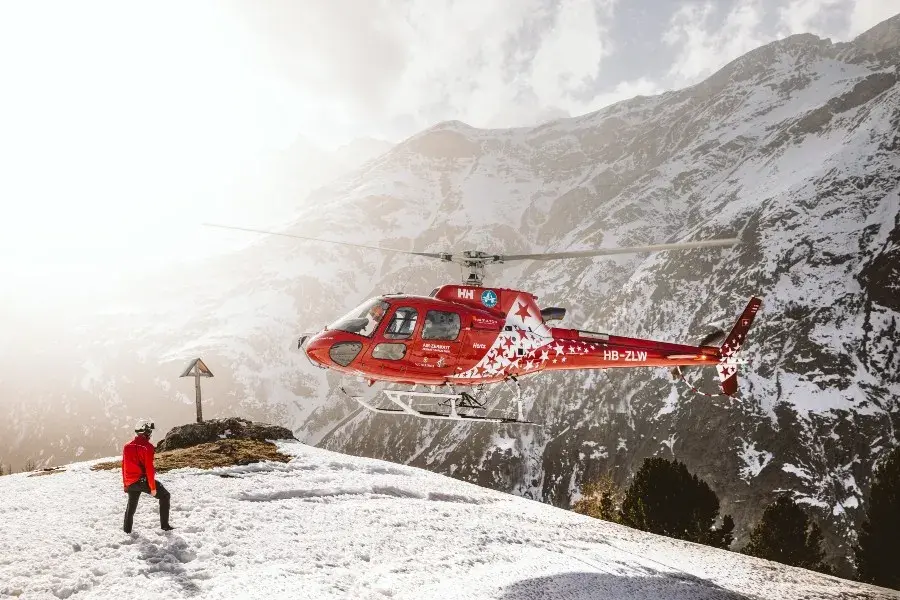
Challenge 1: Translating “Wilderness Medicine” with Cultural Competence
What is the definition of “wilderness medicine”? What would be the best way to refer to the Wilderness Medical Society in Spanish?
One of the main challenges our team faced when researching the term “wilderness” was the lack of publicly available and professionally translated content about wilderness medicine. Most of the information published online appears to have been translated using machine translation tools, which leads to misleading and poorly translated Spanish versions. As an example, Google Translate’s default translation for “Wilderness Medical Society” is “Sociedad Médica del Desierto” (Desert Medical Society), which will cause most of this content to be ignored or discarded by Spanish-speaking clinicians, researchers, and patients looking for information that is not exclusively related to desert environments.
Another common mistranslation that we recommended against was “Sociedad Médica de la Naturaleza” (Nature Medical Society) since the Hispanic population tends to associate “medicina natural” or “medicina de la naturaleza” (natural medicine) with alternative/herbal medicine. The same goes for using the word “silvestre” when referring to the general concept of “wilderness medicine,” because it seems to have a connotation mainly associated with animal and veterinary medicine.
As surprising as it may sound, the definition of “wilderness medicine” is actually centered on the location and conditions under which medical services are provided. According to Wikipedia and the WMS, it is “the practice of medicine where definitive care is more than one hour away, and often days to weeks away” and it is defined by circumstances such as “difficult patient access, limited equipment, and environmental extremes; decision making, creative thinking and improvising.”
The preferred terms for “wilderness medicine” in Latin America and Spain are “medicina en espacios naturales”, “medicina en zonas remotas”, “medicina en medios inhóspitos”, and “medicina en zonas agrestes”. The International Association of Medical Translators and Writers (Tremédica) recommends translating “wilderness medicine” as “medicina en zonas agrestes” (in which context, “agreste” is related to “falto de urbanidad”) or “medicina en zonas remotas”. We concluded that “medicina en áreas remotas” (“medicine in remote areas”) was the most neutral and understandable option considering the diversity of our target audience, and the fact that wilderness medicine environments include mountains, deserts, oceans, submarines, spaceships, and caves, among other austere or extreme settings. However, the name “Wilderness Medical Society” and its acronym are widely recognized by the international community and were preserved so as not to decrease its recognition and the support for its content.
Challenge 2: Translating Medication Brand Names or Active Ingredients
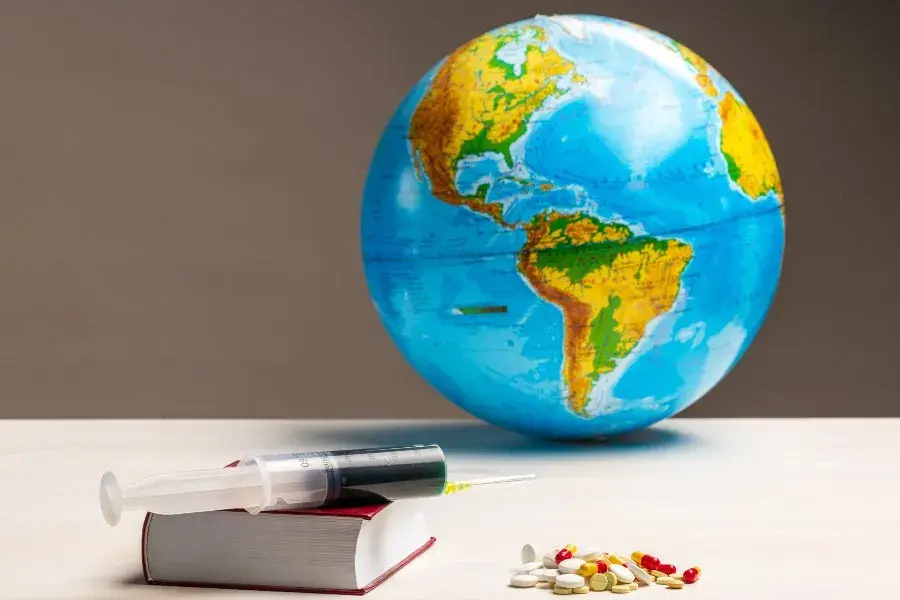
What´s the difference between medication brand names and active ingredients? Are they all translated and capitalized?
A common question raised by many translation students when working on scientific or medical papers is related to the “name of medications,” such as Acetazolamide, Diamox, Dexamethasone, Decadron, Ibuprofen, Advil, Nifedipine, Adalat, etc. Are there official versions in English AND Spanish?
The World Health Organization facilitates the identification of pharmaceutical substances or active ingredients by using International Nonproprietary Names (INN) with the objective of selecting a single name of worldwide acceptability for each pharmaceutical active substance. We call them “denominaciones comunes internacionales” or “DCI” in Spanish and, yes, there are rules that regulate their translation! These are the generic names of medications, usually a shorthand version of the drug’s chemical name, structure, or formula (acetazolamide, dexamethasone, ibuprofen, nifedipine). In Spanish, these names are written in lowercase; they must contain certain prefixes, roots and suffixes; and they have a masculine or feminine article.
In contrast, each pharmaceutical company that markets a drug gives them a brand name, which tends to be catchy and memorable. To avoid confusion, the WHO states that trademarks should never be derived from INNs or contain common stems used in these nonproprietary names. Commercial brand names are proper names and should therefore be capitalized and left untranslated (Diamox, Decadron, Advil, Adalat), without articles. We may also see these symbols next to the name: ® or ™. Most brand names vary depending on the country, and we may need to make a clarification if the US drug brand name is identical or similar to drug brand names used in other countries containing different active ingredients in order to avoid confusion or medication errors (for example, Advil’s active ingredient in the US is ibuprofen, while in the Philippines the same brand name’s active ingredient is mefenamic acid). It is important for us to always check the names of medications to make sure that our translations are correct, accurate, and do not introduce any ambiguity in our target text, especially when addressing the Hispanic population from the US and over 30 different countries.
Challenge 3: Researching and Finding Reliable Translation Sources: “Altura” vs. “Altitud”
In translation, research is everything. We are very lucky to have reliable guidelines for translation created by the Royal Academy of Medicine, Tremédica, and Cosnautas, but that doesn’t mean that we don’t need a second opinion. When translating about the prevention and treatment of acute altitude illness, the nuances between terms such as “altura” and “altitud” (height and altitude) become truly relevant.
Unfortunately, we discovered that two of our most reliable dictionaries, the DTM and DRAE, regard “altura” and “altitud” as synonyms, and they may fall short as our main sources of consultation. In this case, it’s important for us to note that “altura” refers to the extent of elevation above the surface of the Earth or the ground, while “altitude” refers to the vertical elevation above the sea level. In conclusion, in order to get these lexical choices right, it’s essential for us to reach out to experts and double-check lexical terms by resorting to specialized sources to produce the most accurate translations.
Stay tuned for more insights and tips when facing translation challenges!

Argentum Translations Certified Translator ATA Director Paula Penovi
Paula Penovi is a Certified Translator (CT) by the American Translator’s Association (ATA) and a Certified Medical Interpreter (CMI), and holds a master’s degree in Medical and Healthcare Translation. She has volunteered as a researcher/terminologist at the Research Institute of United States Spanish (RIUSS) and is an active member of the ATA’s Translation Company Division’s Leadership Council. She is one of the directors of Argentum Translations and has over a decade of experience in providing high-quality technical and scientific translation services in the medical and technology fields.
References:
“La traducción de los medicamentos“, Fernando A. Navarro. El Trujamán. Centro Virtual Cervantes.
“Identical or similar brand names used in different countries for medications with different active ingredients: a descriptive analysis”, Lubna Merchant, Randall Lutter, and Sherry Chang. National Library of Medicine.
“Altitud y altura”, Fundéu
Wilderness Medical Society’s website and Clinical Practice Guidelines for the Prevention and Treatment of Acute Altitude Illness (2019 Update)
“Altura“, Diccionario de términos médicos (DTM)
“Altura“, Diccionario de la Real Academia Española (DRAE)
“International Nonproprietary Names Programme and Classification of Medical Products”, World Health Organization
Panace@. Vol. XI, n.o 31., 2010. Tremédica.